Iran Proxy War Explained: What It Means for the Middle East
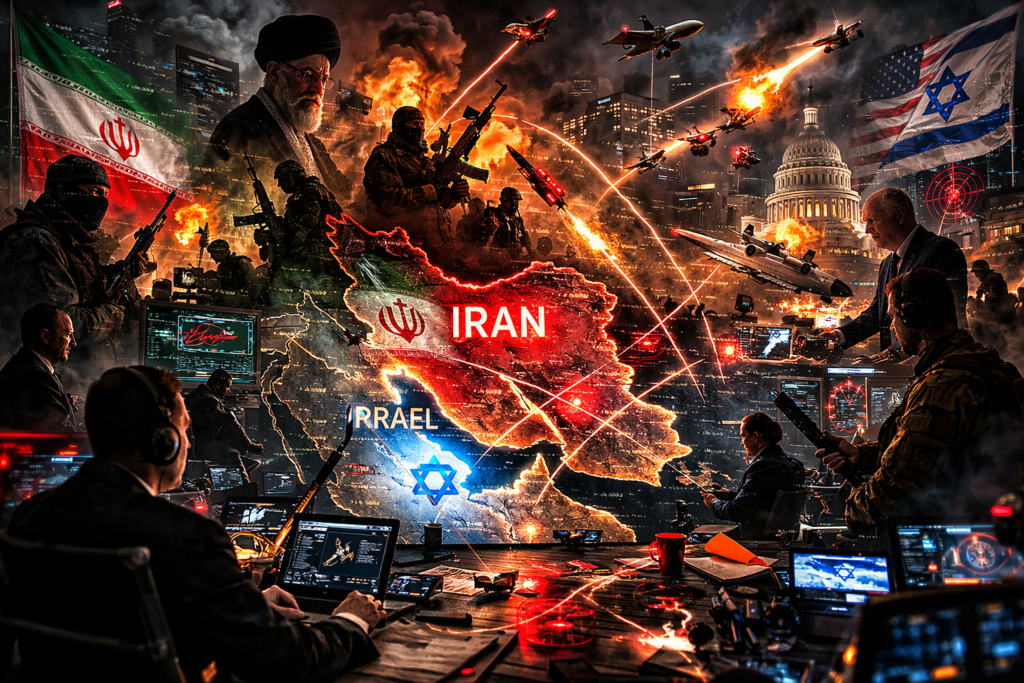
In Middle Eastern politics, Iran’s strategy is often described as a “proxy war.” This is one of the main reasons countries like Israel and the United States view Iran not just as a single nation, but as a wider network of influence. According to many experts, Iran’s real strength lies less in its conventional military and more in the network of groups that support it across the region.
What is a Proxy War?
A proxy war refers to a conflict in which a country does not fight directly on the battlefield but supports allied groups or organizations that carry out the fighting on its behalf.
In Iran’s case, this approach can be seen in different parts of the Middle East where groups believed to have Iranian support operate. One of the most widely discussed examples is Hezbollah, which has been active against Israel for many years.
Why Iran’s Strategy Is Considered Dangerous
In a conventional war, the military structure is clear. A country’s armed forces usually follow a defined strategy that focuses on defense first and then striking the enemy.
However, fighters involved in proxy conflicts often do not follow traditional military rules. Some of them are willing to carry out extremely high-risk or suicide missions. Because of this, dealing with such groups becomes much more difficult for regular armies that operate under structured military systems.
Why Ground Operations Become Difficult
If a country were to launch a direct ground operation against Iran, it would not only have to face the Iranian military. It could also find itself confronting networks and groups that may be active in different locations.
For this reason, many analysts believe that a direct ground war against Iran could be extremely risky and complicated for any country.
The Role of Intelligence and Security
In such sensitive situations, intelligence agencies play a major role. Before anyone is allowed to meet high-profile leaders or enter sensitive locations, strict security checks are usually carried out.
In some cases, security teams make sure the visitor is not carrying any electronic devices, watches, lockets, or other objects. If necessary, visitors may even be provided with different clothing to eliminate any possibility of tracking devices or security risks.
Most Viewed Posts
- Ali Khamenei Alive or Dead? Truth Behind the February 28 Attack | Iran War Theory 2026
- Chillflix Originals has announced its upcoming youth drama Girl Roommate – Ek Flat Sau Hungame
- Pakistan–Afghanistan Conflict: Can It Turn Into a War?
- Who is Lucky Bisht?
- Iran Proxy War Explained: What It Means for the Middle East
agent lima Ali Khamenei AliKhameneiAlive anubhav bhandari director Chillflix Originals CIA Mossad MI6 comedy ex raw agent lucky bisht flim Geopolitics Global Conflict global geopolitics global political news Global Security Global War News international intelligence Iran Attack News Iran Israel conflict Iran Israel War Iran missile attack Iran security analysis Iran Strategy Iran Supreme Leader IranWar2026 Israel Iran Conflict Israel Iran Tension KhameneiDeathTheory Lucky Bisht Middle East Crisis MiddleEastCrisis Middle East politics Oil Crisis Oil Prices ProxyWar Proxy War Explained ShahedDrone SVRChinaSupport terumpIran the real story USIranWar who is lima who is lucky bisht world conflict news World News world top sniper lucky bisht
Share the post "Iran Proxy War Explained: What It Means for the Middle East"
Leave a Reply