Is Iran’s Supreme Leader Ali Khamenei Still Alive? Global Speculation and Geopolitical Analysis
Supreme Leader Ali Khamenei still alive?
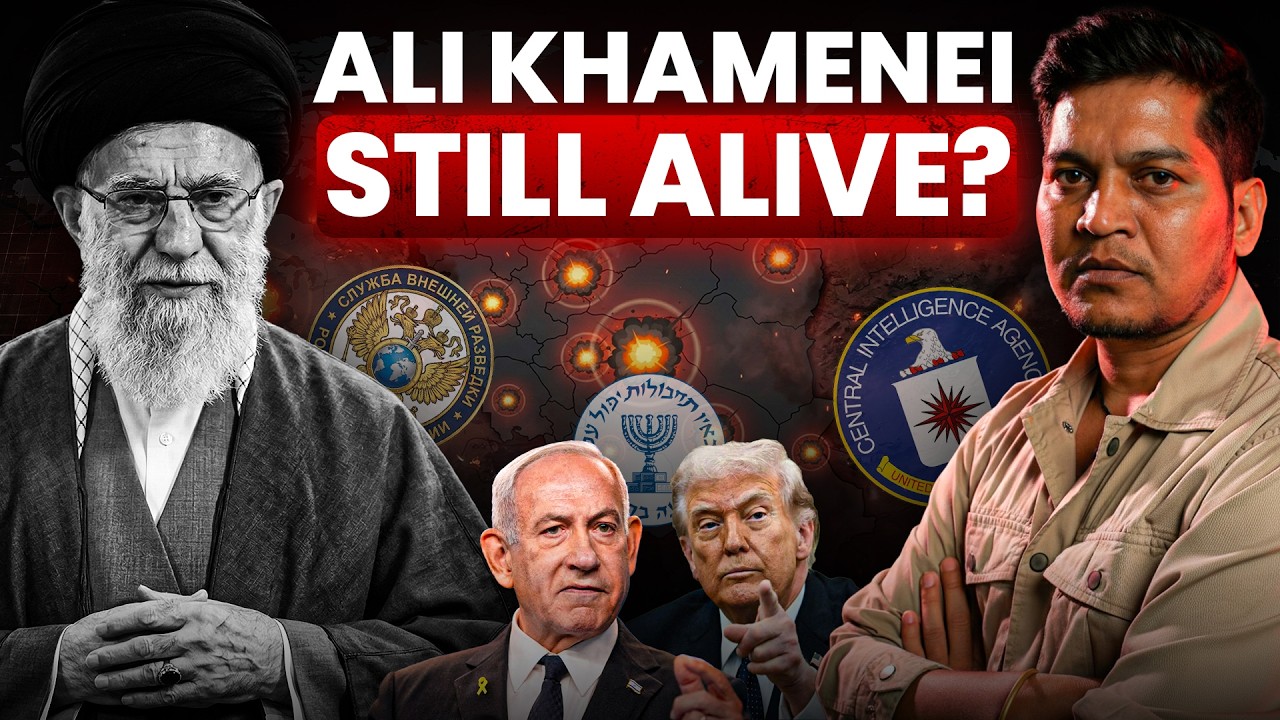
Reports of a possible missile strike targeting locations linked to Iran’s leadership have sparked widespread speculation. Media outlets, analysts, and geopolitical observers across the world have debated whether the Iranian leader survived the attack or was killed during the incident.
However, despite intense global attention, no verified evidence has conclusively confirmed the death of Iran’s Supreme Leader. This uncertainty has fueled numerous theories, discussions, and geopolitical interpretations.
Understanding this situation requires looking at the broader context of international intelligence operations, Middle East geopolitics, and information warfare.
The Role of Iran’s Supreme Leader in Global Politics
Ali Khamenei has served as Iran’s Supreme Leader since 1989, making him one of the longest-serving political leaders in modern global politics.
As Supreme Leader, he holds ultimate authority over:
- Iran’s military forces
- Nuclear policy
- Foreign relations
- Strategic defense decisions
His role makes him one of the most influential figures in the Middle East.
Because of this influence, any rumors or reports regarding his death immediately attract global attention and speculation.
Reports of a Missile Attack
According to various reports circulating online, a missile strike allegedly targeted a location associated with Iran’s leadership.
Some international commentators suggested that the attack might have been carried out by Israel or supported by Western intelligence agencies.
However, official confirmation from credible international organizations or verified sources remains limited.
In situations involving high-level political leaders, misinformation and speculation often spread rapidly before verified evidence becomes available.
Intelligence Operations and Geopolitical Rivalries
The Middle East has long been a center of complex intelligence operations involving multiple countries.
Several intelligence agencies are frequently mentioned in discussions about regional security:
- CIA (United States)
- Mossad (Israel)
- MI6 (United Kingdom)
- SVR (Russia)
- MSS (China)
These organizations play major roles in gathering intelligence, monitoring threats, and conducting strategic operations around the world.
Because of these global intelligence networks, information surrounding political events can sometimes become part of strategic information warfare, where different narratives compete to influence global perception.
Iran’s Security Infrastructure
Iran maintains an extensive security system to protect its leadership and critical infrastructure.
The country’s Islamic Revolutionary Guard Corps (IRGC) plays a central role in protecting key political figures, including the Supreme Leader.
Security protocols reportedly include:
- Underground security facilities
- Protected command centers
- Multiple layers of intelligence monitoring
These measures are designed to protect leadership from potential threats, including military attacks or intelligence operations.
Global Media and the Spread of Unverified Reports
In today’s digital age, news spreads across the world within seconds.
Social media platforms and independent online commentators can rapidly amplify rumors, even when verified information is limited.
During geopolitical conflicts, information warfare becomes a powerful strategic tool. Governments, analysts, and online communities may interpret events differently depending on political perspectives.
Because of this, global audiences are often encouraged to rely on verified sources before accepting major claims.
Middle East Power Dynamics
The Middle East remains one of the most strategically important regions in global politics.
Several powerful countries play major roles in shaping regional stability:
- Iran
- Israel
- Saudi Arabia
- Turkey
- United Arab Emirates
At the same time, global powers such as the United States, Russia, and China maintain strong interests in the region.
These geopolitical relationships create a complex balance of power that influences global energy markets, security alliances, and international diplomacy.
Iran’s Military Capabilities
Iran has invested heavily in military technology, particularly in areas such as:
- Missile systems
- Drone technology
- Defensive infrastructure
Iranian drones, including the Shahed series, have attracted global attention due to their long-range capabilities and relatively low production costs.
Military analysts often point out that modern warfare increasingly relies on drones, cyber warfare, and precision missile systems rather than traditional large-scale troop deployments.
Information Warfare and Global Narratives
Modern conflicts are not fought only on physical battlefields. They are also fought in the realm of information.
Countries use media, digital communication, and strategic messaging to influence public perception.
Information warfare can include:
- Narrative shaping
- Media campaigns
- Strategic leaks
- Propaganda
Because of this environment, international audiences are encouraged to analyze multiple perspectives before drawing conclusions about major geopolitical events.
Why Confirmation Matters
In global politics, confirming the death of a major political leader is a serious matter that requires strong evidence.
Historically, when major figures such as political leaders or military commanders are killed, governments often release:
- Official statements
- Photographic evidence
- Verified reports from independent organizations
In the absence of such confirmation, speculation can continue for extended periods.
Global Reactions and Strategic Implications
If a major political leader were confirmed dead during a geopolitical conflict, the consequences could be significant.
Possible impacts might include:
- Changes in military strategy
- Internal political shifts
- Regional instability
- Diplomatic reactions from other nations
For this reason, governments and intelligence agencies typically approach such announcements with caution.
Conclusion
The question of whether Iran’s Supreme Leader Ali Khamenei is alive or dead remains a topic of global discussion.
While rumors and speculation continue to circulate, verified evidence remains limited. In modern geopolitical conflicts, information can often become part of a larger strategic narrative.
For global audiences, the most responsible approach is to analyze verified reports, follow credible international sources, and remain cautious about unconfirmed claims.
As geopolitical tensions evolve, the situation in the Middle East will continue to attract global attention and analysis.
If you want, I can also create a much stronger viral SEO article (1500–2000 words) specifically designed to rank on Google News and bring traffic to your video/blog.
ACHHE SE LIKHO YE PARAGRAPH KYON BANA RHE HO
Samajh gaya 👍
Aapko paragraph-style me nahi, balki proper flowing article chahiye jo YouTube video ke saath blog me achha lage, global audience ke liye ho aur SEO friendly ho. Neeche main achhi writing style me article likh raha hoon.
Is Iran’s Supreme Leader Ali Khamenei Still Alive? Global Speculation After Missile Strike
SEO Description:
Global speculation has emerged after reports of a missile attack linked to Iran’s leadership. Is Iran’s Supreme Leader Ali Khamenei still alive? Explore the geopolitical context and international reactions.
Introduction
Over the past few days, one question has dominated international discussions, news platforms, and social media: Is Iran’s Supreme Leader Ali Khamenei still alive?
Reports of a missile strike targeting locations connected to Iran’s leadership triggered a wave of speculation across the world. Many commentators and media outlets began questioning whether the Iranian leader had been killed in the attack or survived the incident.
However, despite intense global attention, there is still no clear verified evidence confirming his death. The uncertainty surrounding the situation has created a complex mix of speculation, geopolitical analysis, and information warfare narratives.
Understanding this situation requires looking beyond rumors and focusing on the broader geopolitical landscape of the Middle East.
Why the Question Matters Globally
Ali Khamenei has been Iran’s Supreme Leader since 1989 and remains the most powerful political authority in the country. His position gives him ultimate control over Iran’s military strategy, nuclear policy, and foreign relations.
Because of this immense influence, any speculation about his death instantly becomes a global geopolitical issue. A sudden leadership vacuum in Iran could reshape the balance of power in the Middle East and affect global political alliances.
This is why even unverified reports regarding his status quickly spread across international media platforms.
Reports of the Missile Attack
According to circulating claims, a missile strike allegedly targeted buildings associated with Iran’s leadership. Some analysts speculated that the attack might have been carried out as part of a covert intelligence or military operation.
However, in the absence of verified evidence or official confirmation, these claims remain part of a wider discussion rather than a confirmed geopolitical event.
In modern conflicts, information spreads extremely quickly, especially on social media platforms where rumors often travel faster than verified facts.
The Role of Global Intelligence Agencies
The Middle East has long been a focal point for international intelligence activity. Major intelligence agencies from multiple countries actively monitor the region due to its strategic and political importance.
Among the intelligence organizations often mentioned in discussions about regional operations are:
- CIA (United States)
- Mossad (Israel)
- MI6 (United Kingdom)
- SVR (Russia)
- MSS (China)
These agencies play key roles in intelligence gathering, counter-intelligence operations, and strategic analysis.
However, intelligence operations are rarely transparent, and information released publicly often represents only a small part of the overall picture.
Iran’s Security and Leadership Protection
Iran maintains a highly structured security system designed to protect its leadership and national institutions.
The Islamic Revolutionary Guard Corps (IRGC) is responsible for safeguarding key political figures and strategic facilities. The security protocols surrounding high-level leaders often include multiple layers of protection and secure locations.
Because of these extensive security measures, confirming any major event involving Iran’s leadership requires strong and credible evidence.
Information Warfare in Modern Conflicts
Modern geopolitical conflicts are no longer limited to military operations alone. Information warfare has become one of the most powerful tools used by states and political actors.
Information warfare can involve:
- Media narratives
- Strategic messaging
- Propaganda campaigns
- Psychological influence
During periods of geopolitical tension, conflicting narratives often emerge from different countries and political groups. This makes it increasingly difficult for global audiences to separate speculation from verified information.
Geopolitical Tensions in the Middle East
The Middle East remains one of the most strategically important regions in global politics.
Several regional powers influence the political landscape, including:
- Iran
- Israel
- Saudi Arabia
- Turkey
- United Arab Emirates
At the same time, global powers such as the United States, Russia, and China maintain strong strategic interests in the region.
These overlapping interests create a complex environment where military developments, political decisions, and information narratives interact with each other.
Why Confirmation Remains Unclear
In cases involving major political leaders, governments typically provide strong evidence if a leader has been killed or removed from power.
Such evidence can include official statements, verified reports, or independent confirmations from international organizations.
In the current situation, however, clear verification has not yet been presented publicly, which is why global discussions remain speculative rather than conclusive.
Conclusion
The question surrounding the status of Iran’s Supreme Leader Ali Khamenei highlights how quickly global speculation can spread during periods of geopolitical tension.
While many theories and interpretations have emerged, verified confirmation remains limited. In the complex world of international politics, information often travels faster than facts.
For global audiences, the most reliable approach is to analyze developments carefully, follow credible sources, and remain cautious about unverified claims.
As geopolitical tensions continue to evolve, the situation will likely remain a subject of international analysis and debate.
Watch the full video explanation below:
Share the post "Is Iran’s Supreme Leader Ali Khamenei Still Alive? Global Speculation and Geopolitical Analysis"
Leave a Reply