Israel launches fresh strikes on Tehran and Beirut – as it happened
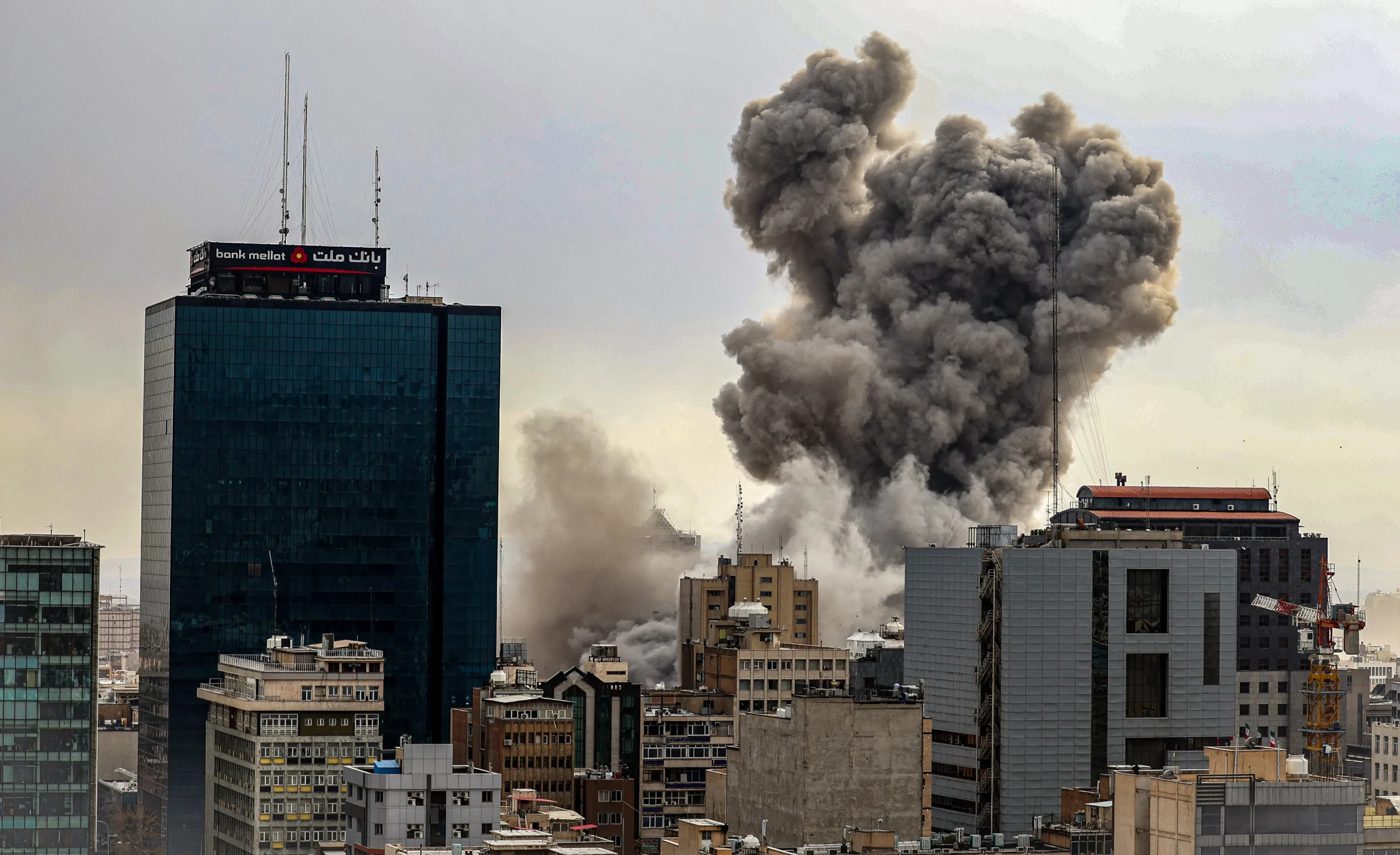
The year 2026 has brought the Middle East back into the global spotlight, but this time the situation appears far more dangerous and complex than previous conflicts. What initially seemed like a regional escalation between Israel and Iran is now evolving into a broader geopolitical crisis with global implications.
Recent reports indicate that Israel carried out targeted airstrikes in Tehran, the capital of Iran, as well as in Beirut, Lebanon. These strikes were reportedly aimed at military infrastructure and strategic positions. However, as is often the case in such conflicts, civilian areas have also been affected, raising humanitarian concerns.
In response, Iran launched retaliatory missile and drone attacks. This pattern of “action and reaction” has significantly increased the risk of a prolonged and uncontrollable conflict. What makes this situation particularly alarming is not just the intensity of the attacks, but the speed at which the conflict is escalating.
The Strategic Importance of the Strait of Hormuz
One of the most critical elements in this crisis is the Strait of Hormuz. This narrow waterway is one of the world’s most vital oil transit routes, with nearly 20% of global oil supply passing through it. Any disruption in this region could trigger a massive energy crisis worldwide.
Even the possibility of conflict in this area has already caused fluctuations in global oil prices. If the strait were to be blocked or restricted, the consequences would be immediate and severe—ranging from fuel shortages to skyrocketing transportation costs and inflation across multiple economies.
A Multi-Layered Conflict
This is no longer a simple bilateral conflict. Various regional and international players are either directly or indirectly involved. Lebanon-based militant groups, Gulf nations with security concerns, and Western powers with strategic interests are all part of this complex equation.
The involvement of proxy groups further complicates the situation. These groups often act independently but align with larger geopolitical interests, making the conflict unpredictable and harder to control.
Psychological and Information Warfare
Modern warfare extends beyond physical attacks. Social media platforms have become battlegrounds for propaganda, misinformation, and psychological operations. Governments and non-state actors are actively trying to shape public perception and influence global narratives.
This creates confusion among the public and makes it difficult to separate facts from propaganda. In many ways, controlling the narrative has become just as important as controlling territory.
Is This the Start of World War 3?
At present, this conflict cannot officially be classified as World War 3. However, several warning signs indicate that the risk is real:
- Increasing involvement of global superpowers
- Rising tensions between the United States and Iran
- Threats to global energy supply chains
- Expansion of conflict zones
If these factors continue to intensify, the possibility of a larger global war cannot be ruled out.
Impact on Ordinary People
The consequences of this conflict are not limited to governments and militaries. Ordinary people around the world may face:
- Rising fuel prices
- Increased cost of living
- Economic instability
- Travel and trade disruptions
🔚 Conclusion
The Middle East War 2026 is not just another regional conflict—it is a potential turning point in global geopolitics. The coming weeks and months will be crucial in determining whether the situation stabilizes or escalates into something far more devastating.
Share the post "Israel launches fresh strikes on Tehran and Beirut – as it happened"
Leave a Reply